5-day crash course
18–23 MAY 2026
An on-site learning journey to regenerative agriculture
Immerse yourself in a transformative, on-farm learning journey that equips you with the foundational knowledge, practical experience, and regenerative mindset needed to restore ecosystems, strengthen soil health, and design resilient farm systems. This course blends daily field training, thematic lectures, and real-world case studies to build your confidence and capability in regenerative agriculture.
If you’re relatively new to this field and want to experience what it can mean for you, you’ve come to the right place.
Why this course matters
Regenerative agriculture is not just a set of techniques — it is a paradigm shift in how we understand soil, water, biodiversity, and agricultural production. From a global perspective, regenerative farming offers pathways to enhance ecosystem function, increase resilience to climate variability, and support viable rural economies.
This intensive week accelerates your learning beyond theory, enabling you to see, feel, and practice regenerative principles in action.
What you will learn
Over five immersive days, you will gain:
- Core principles of regenerative agriculture and why they matter for landscapes and communities.
- How to transition from conventional and organic systems to regenerative approaches.
- Strategies to improve soil health, manage water effectively, and enhance biodiversity.
- Practical insights into regenerative business viability and farm design.
- Inspiration from real-world farm systems and pioneers leading regenerative change.
How the week is structured
Participants engage through a combination of:
- Daily lectures and seminars
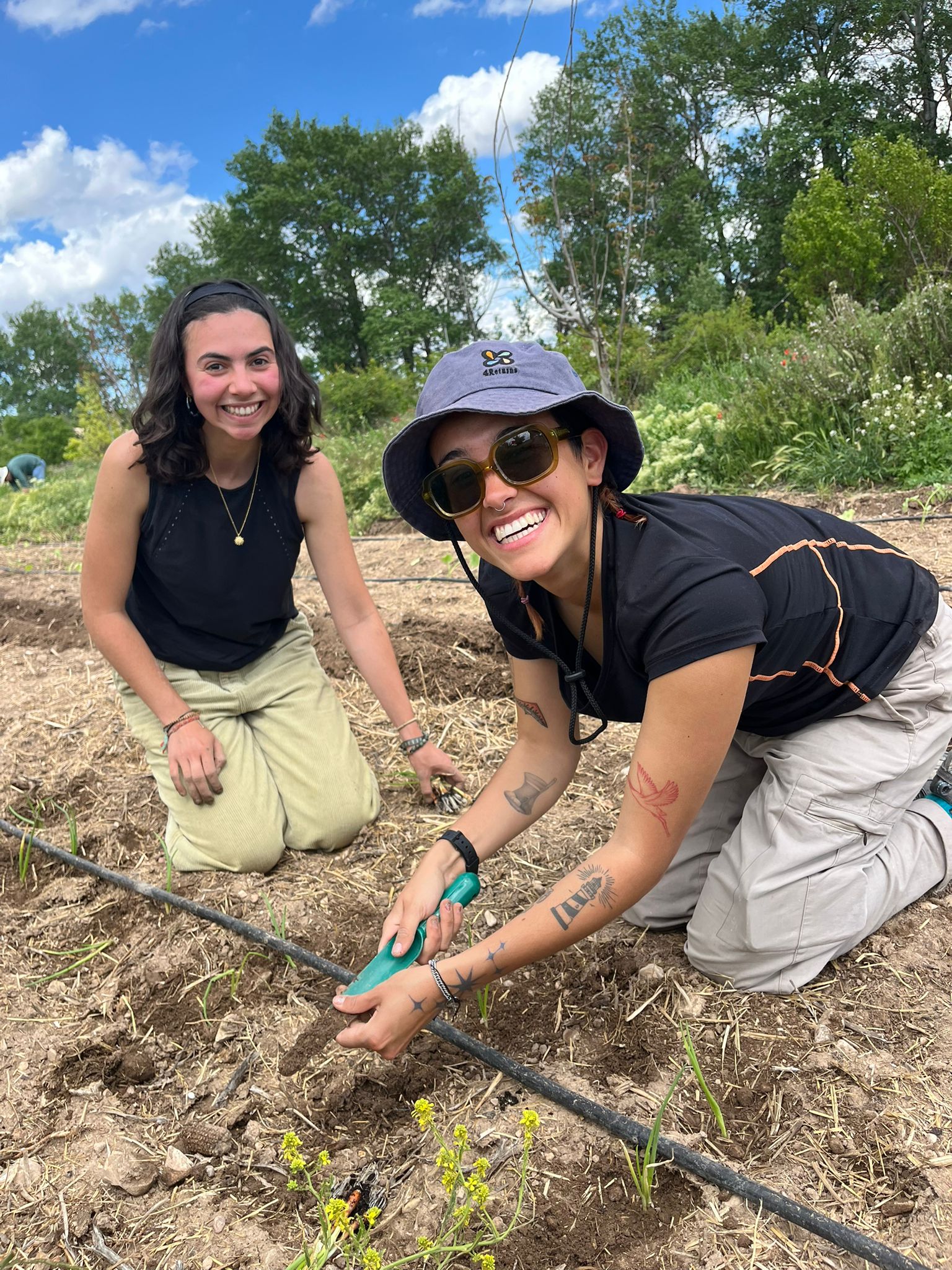
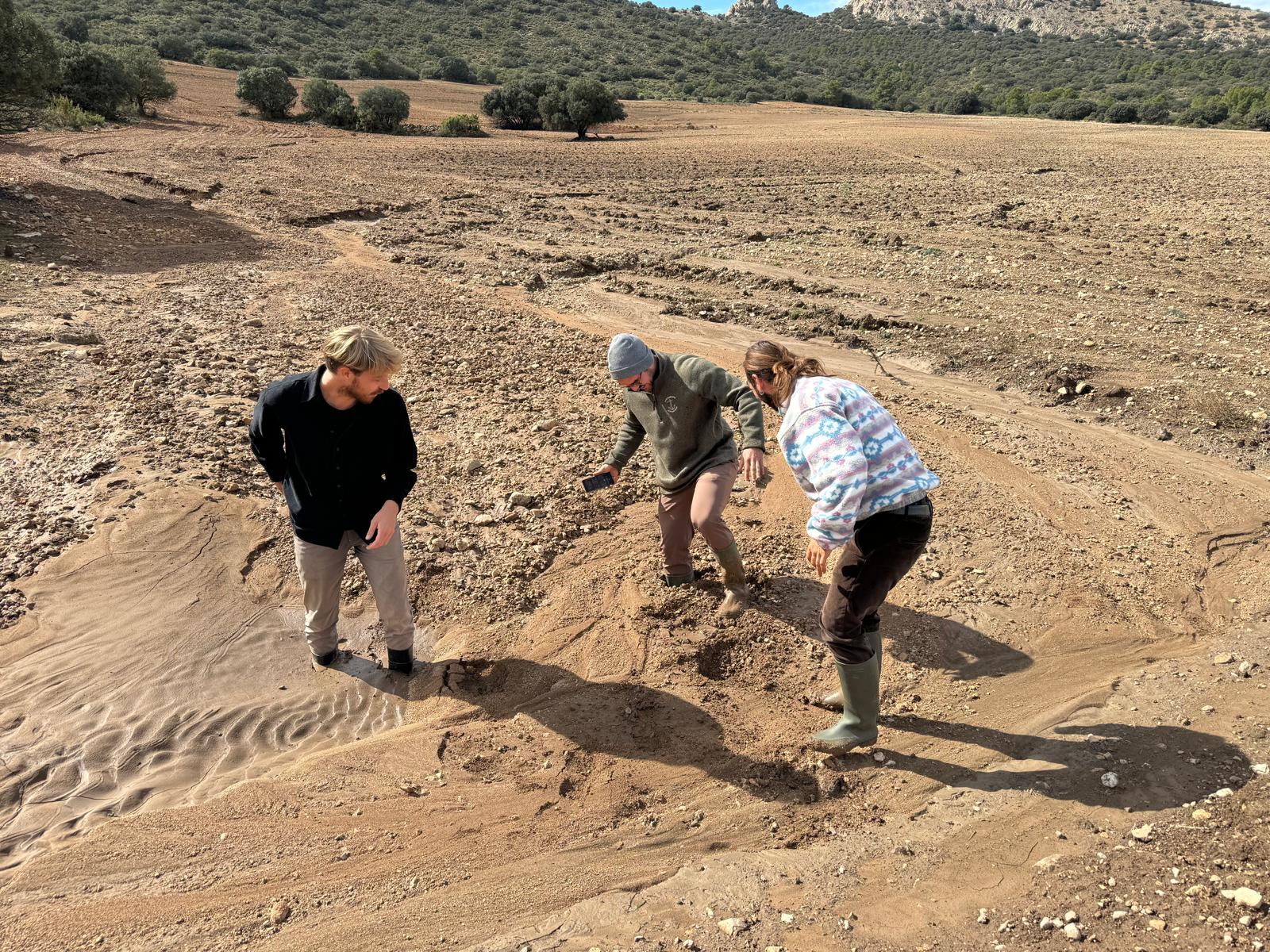
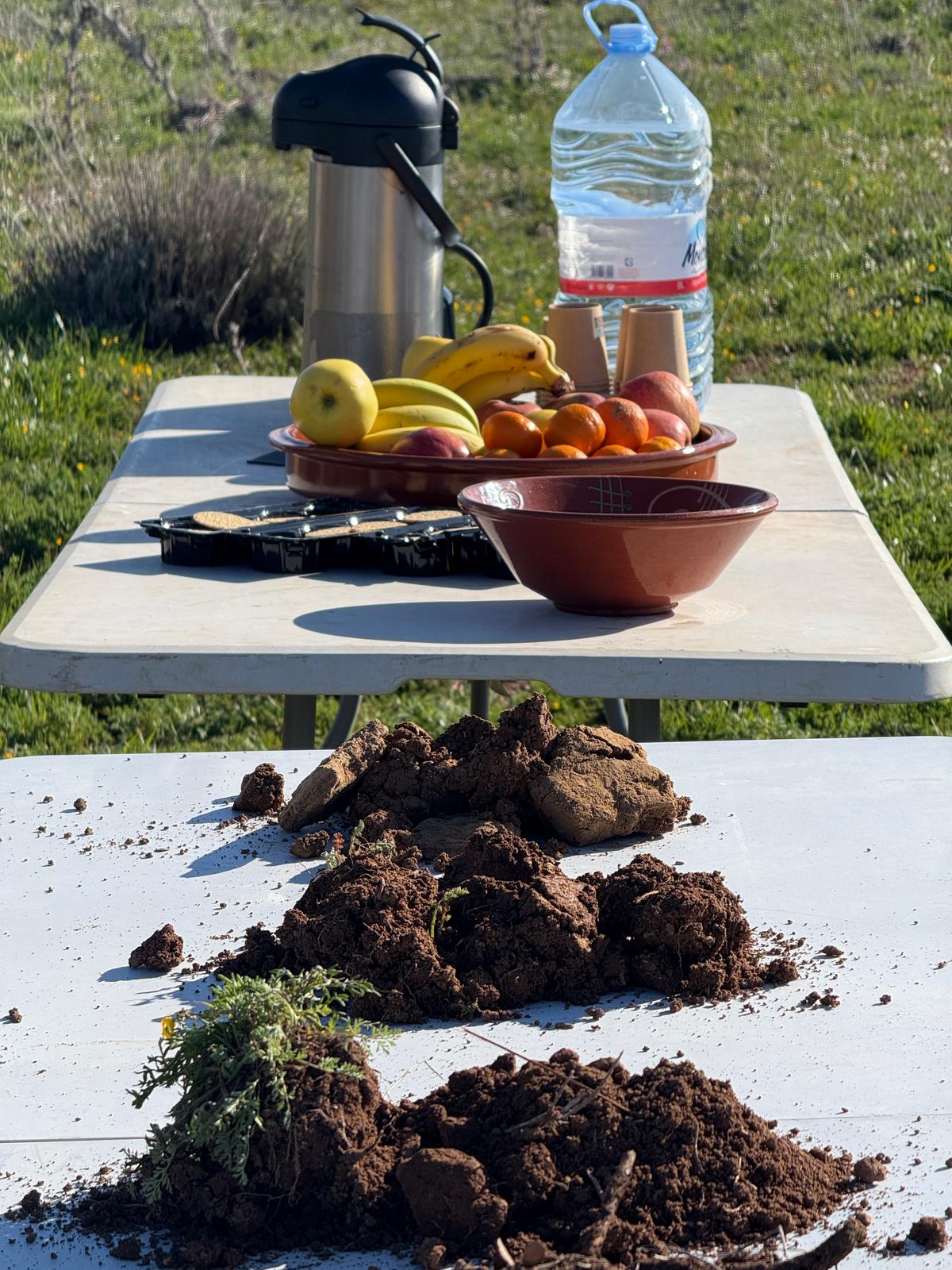
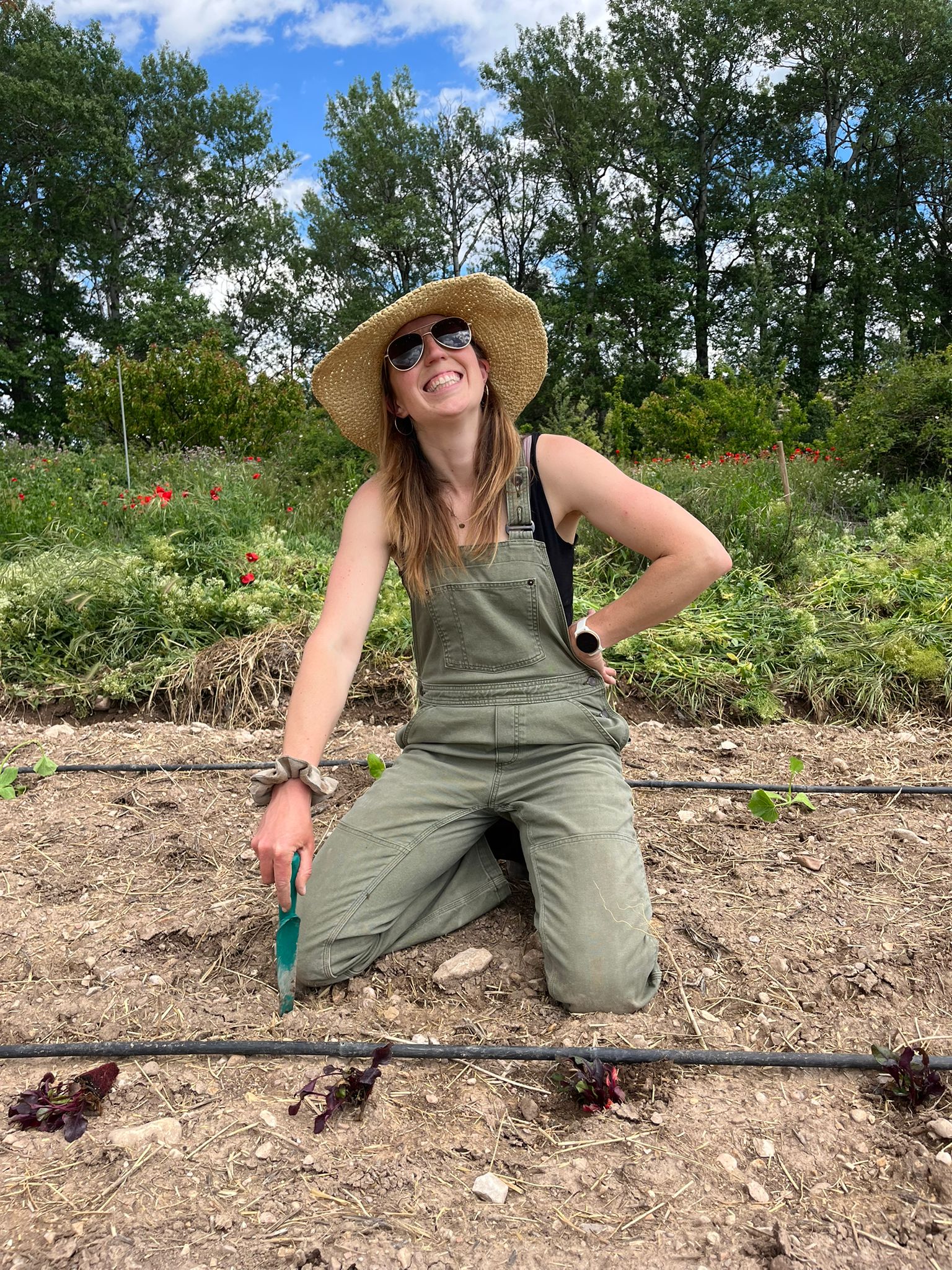
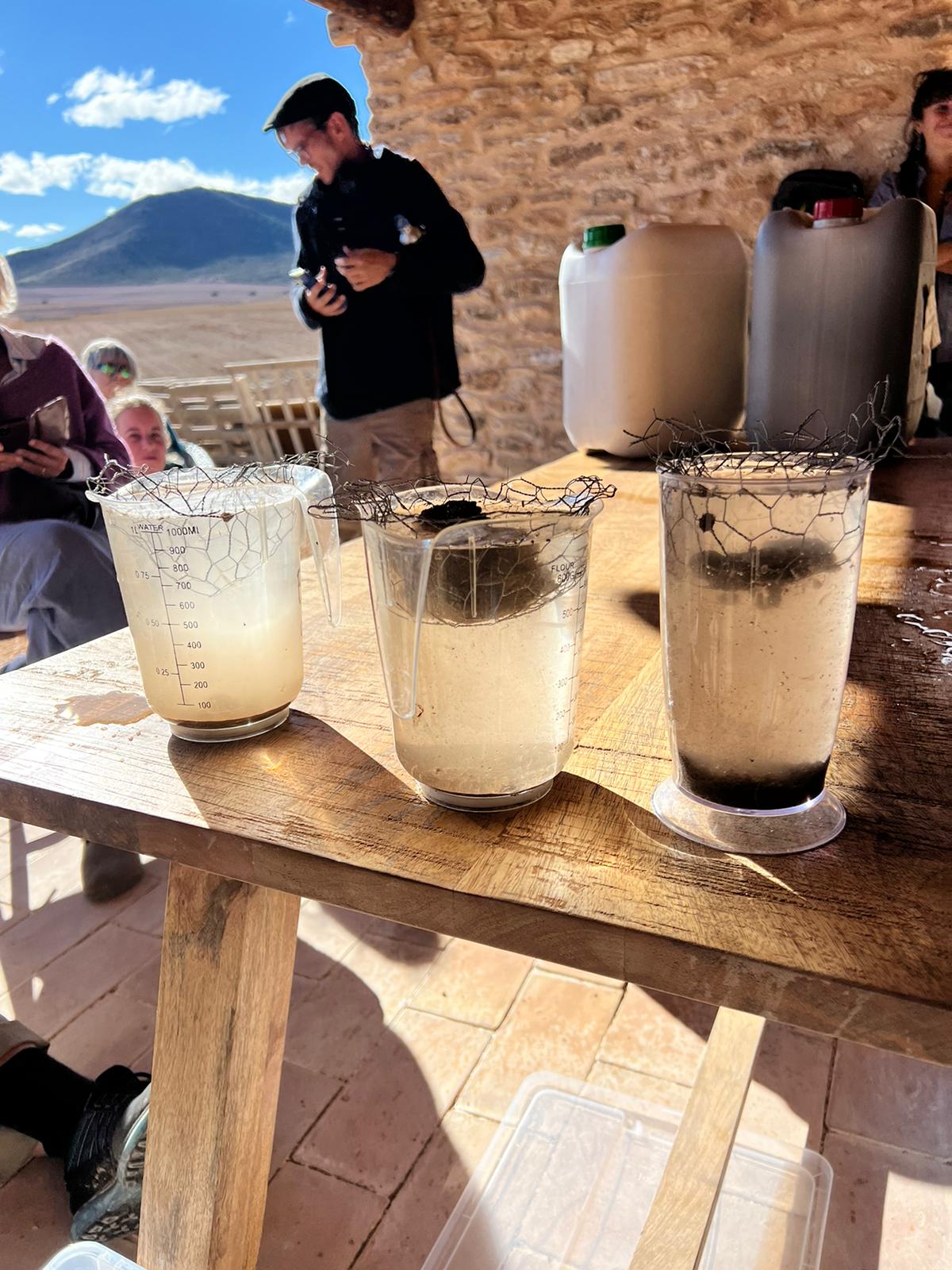
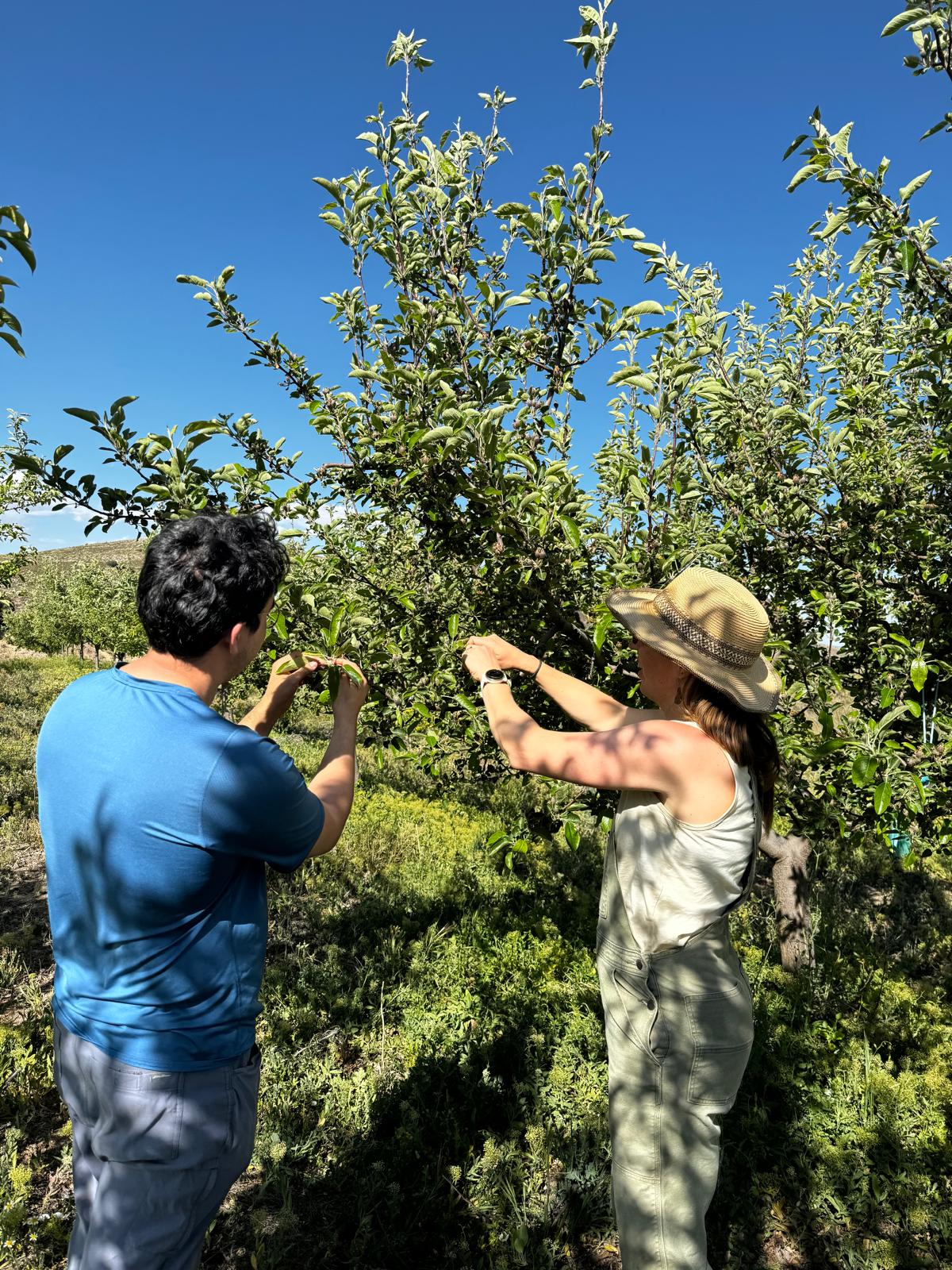
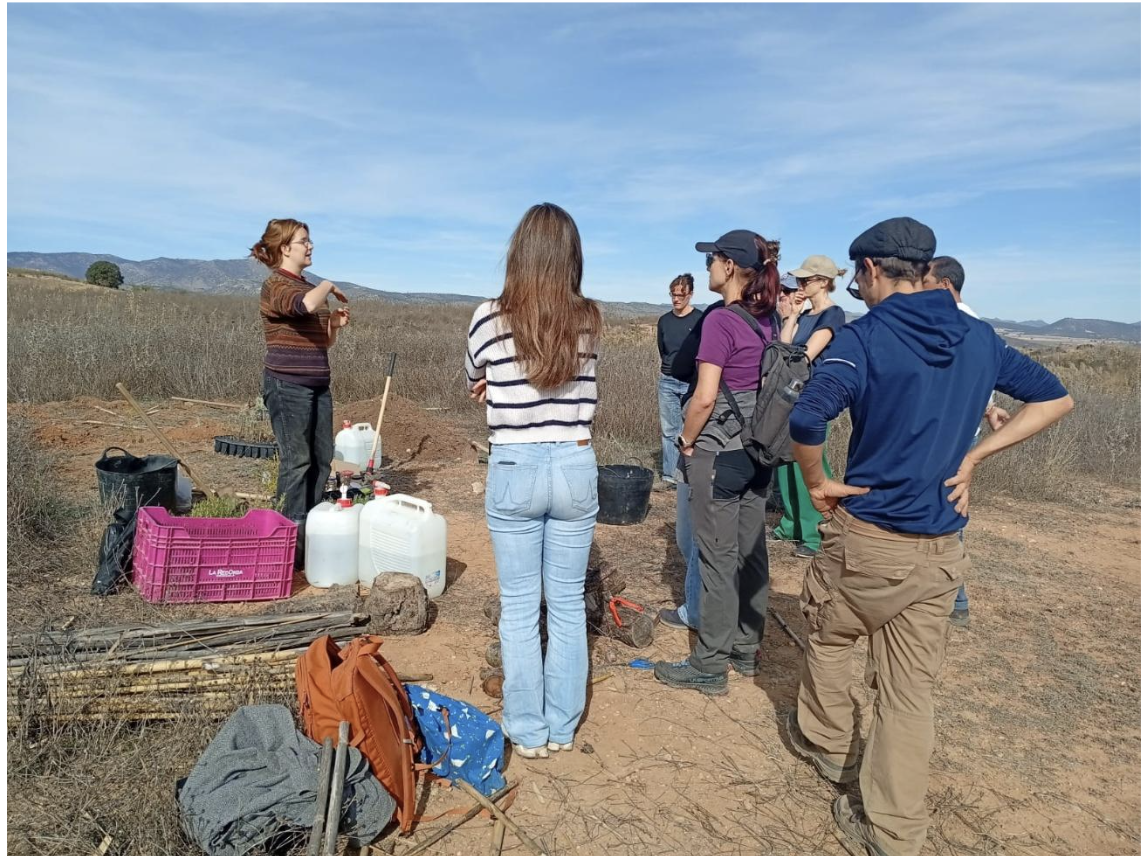
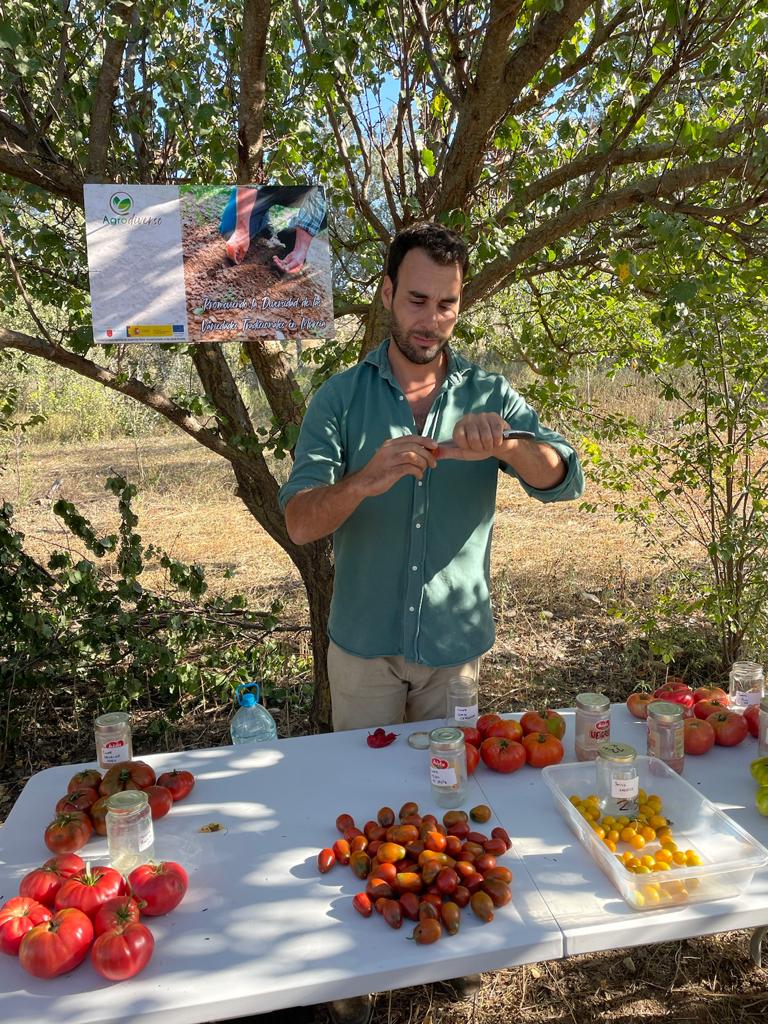
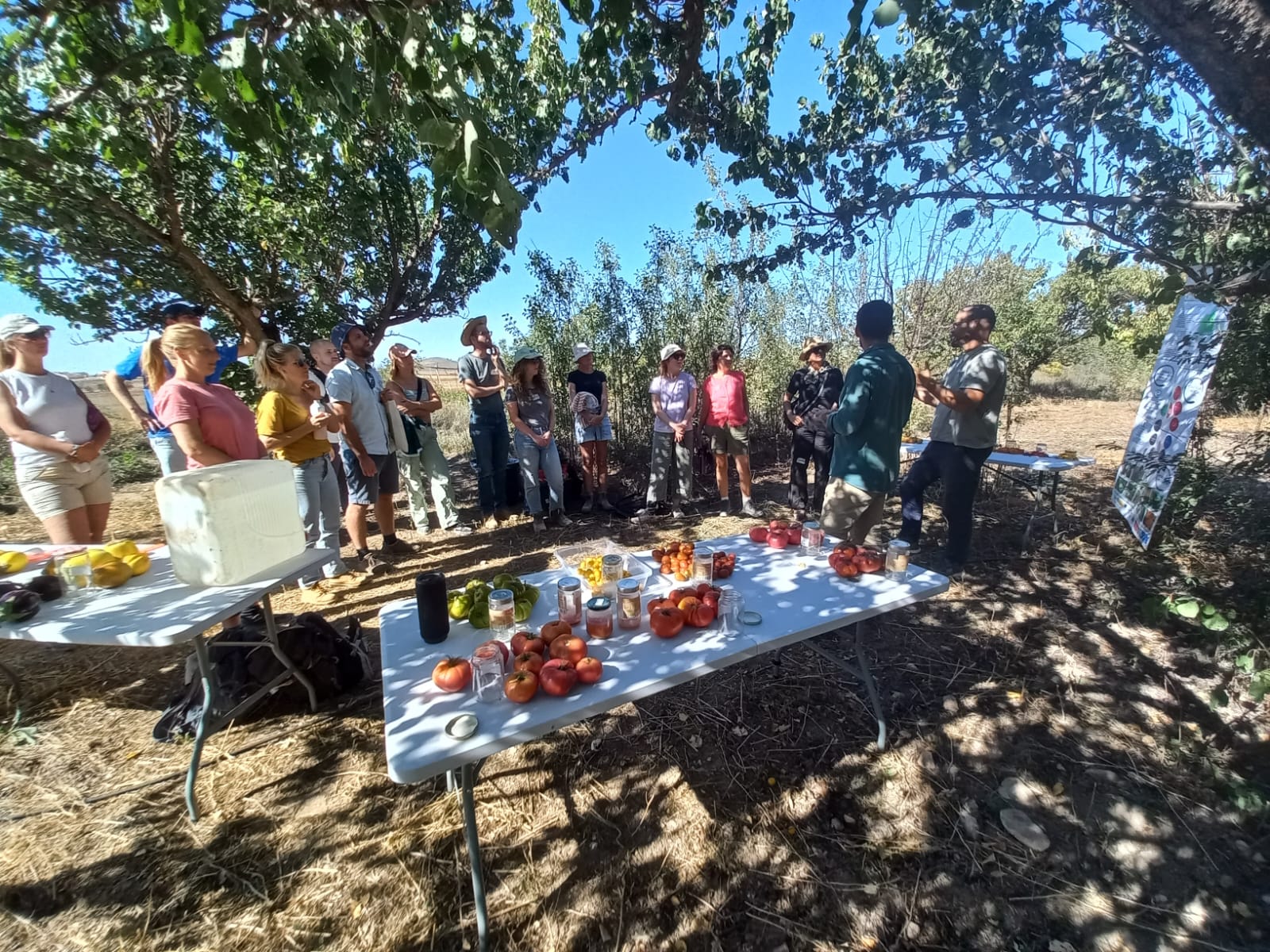
- Field demonstrations and hands-on field activities
- Group reflection and facilitated discussions
- Farm tours and regenerative practice walkthroughs
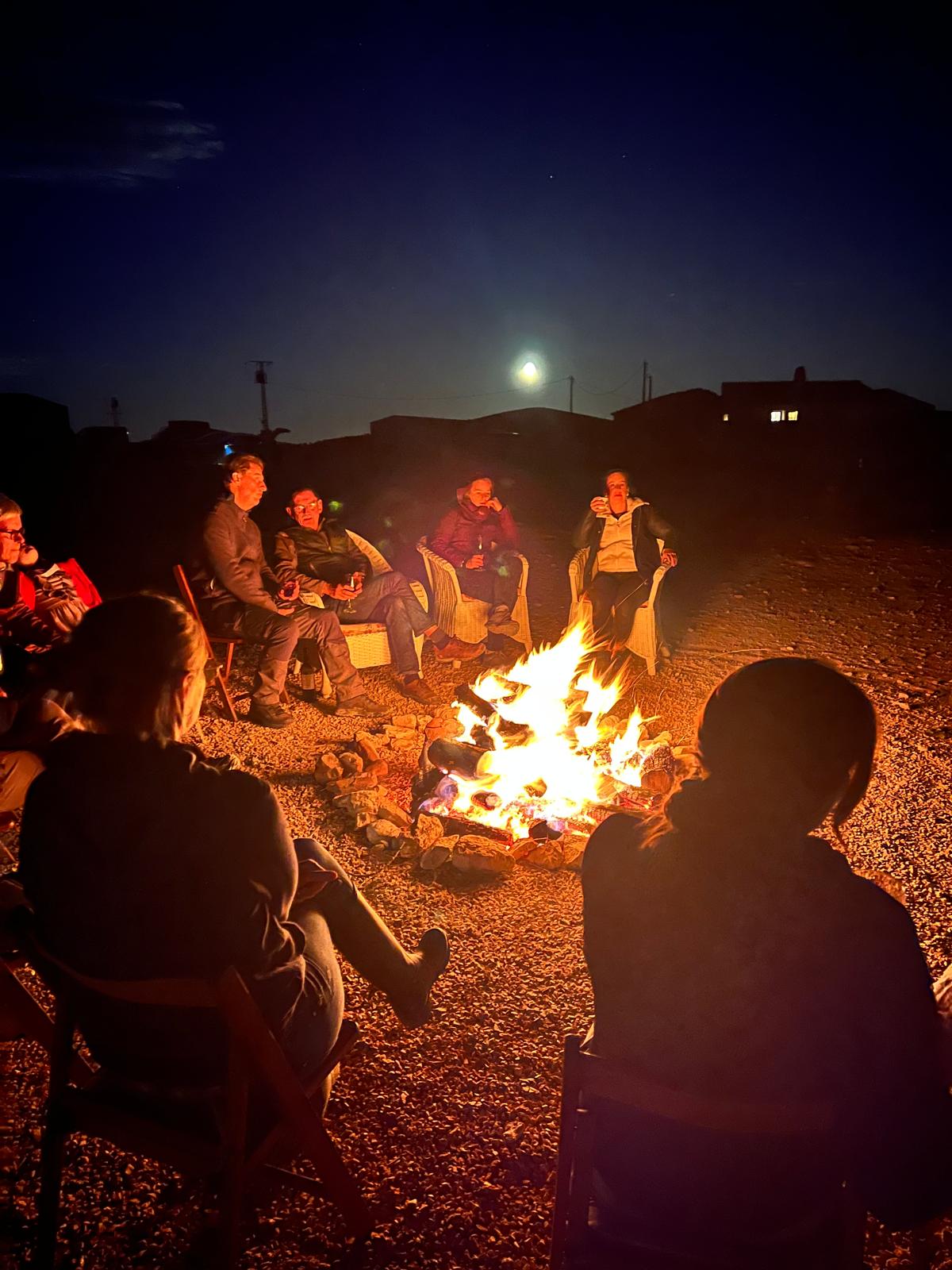
- Networking with practitioners and peers
Who should attend
This course is designed for:
- Farmers and land stewards seeking practical regenerative approaches.
- Agro-food professionals, ecologists, and sustainability practitioners.
- Entrepreneurs, change-makers, and food system innovators.
- Anyone passionate about regenerative landscapes and resilient livelihoods.
Experience & accommodation
Participants will:
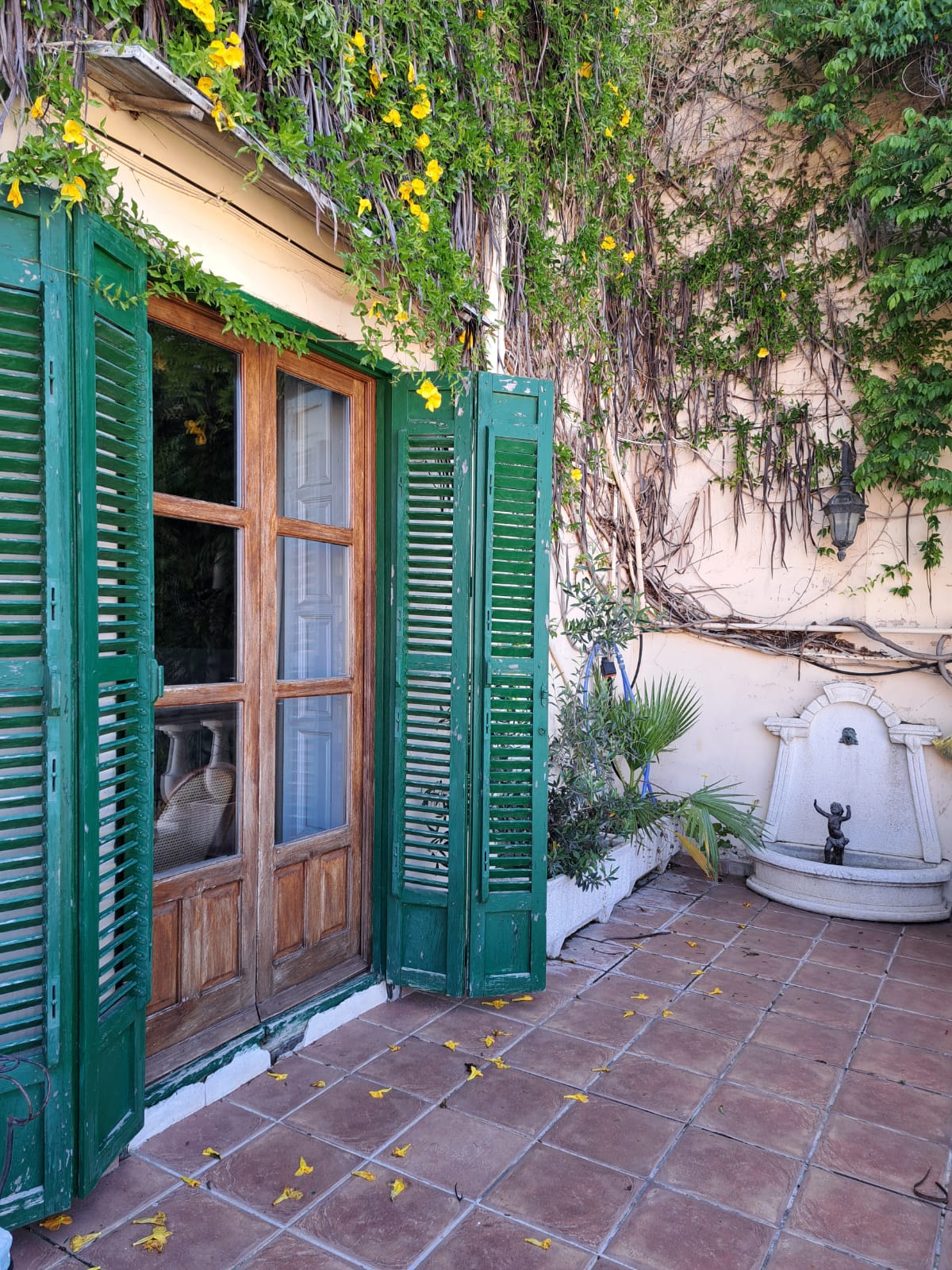
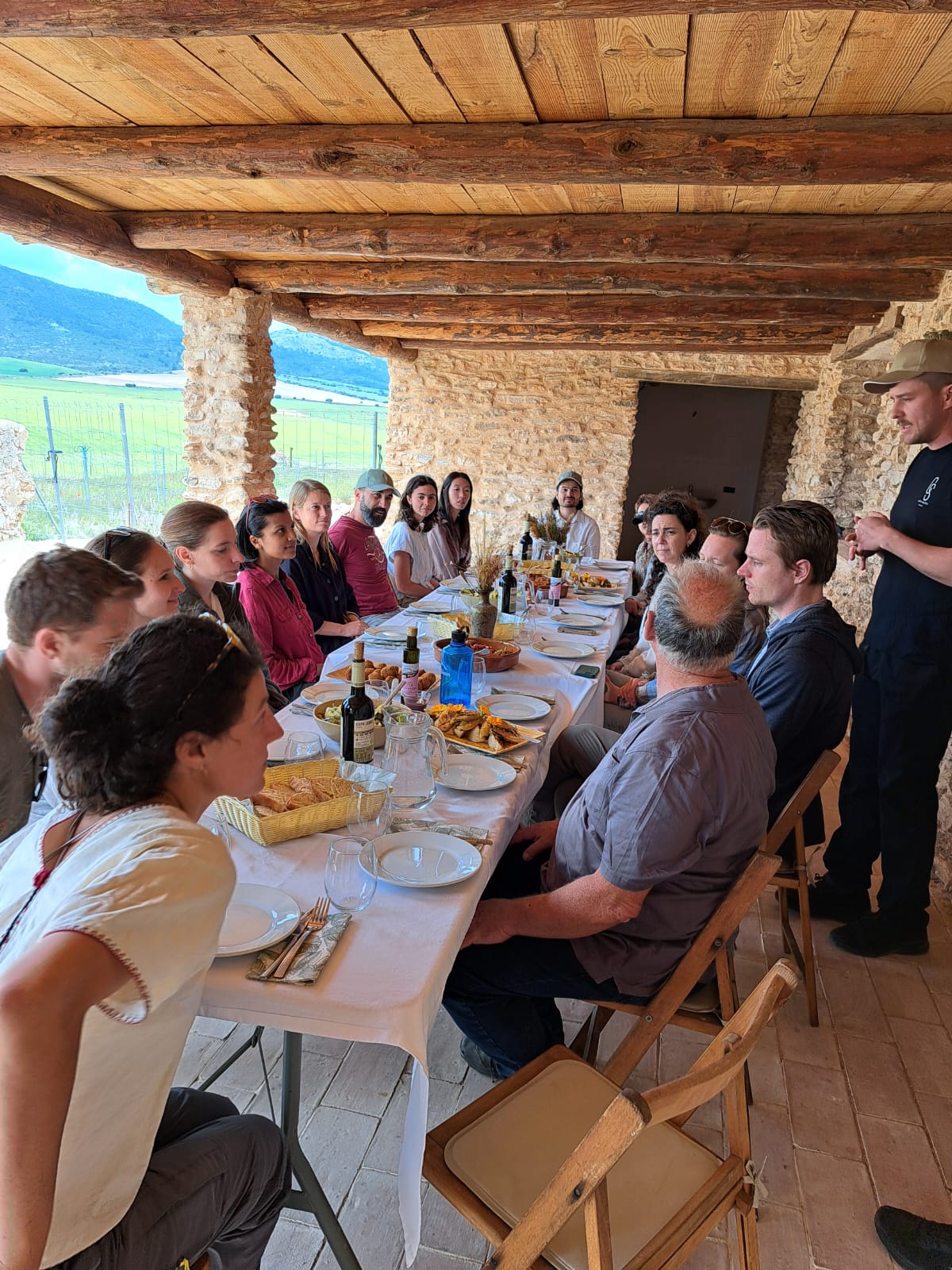
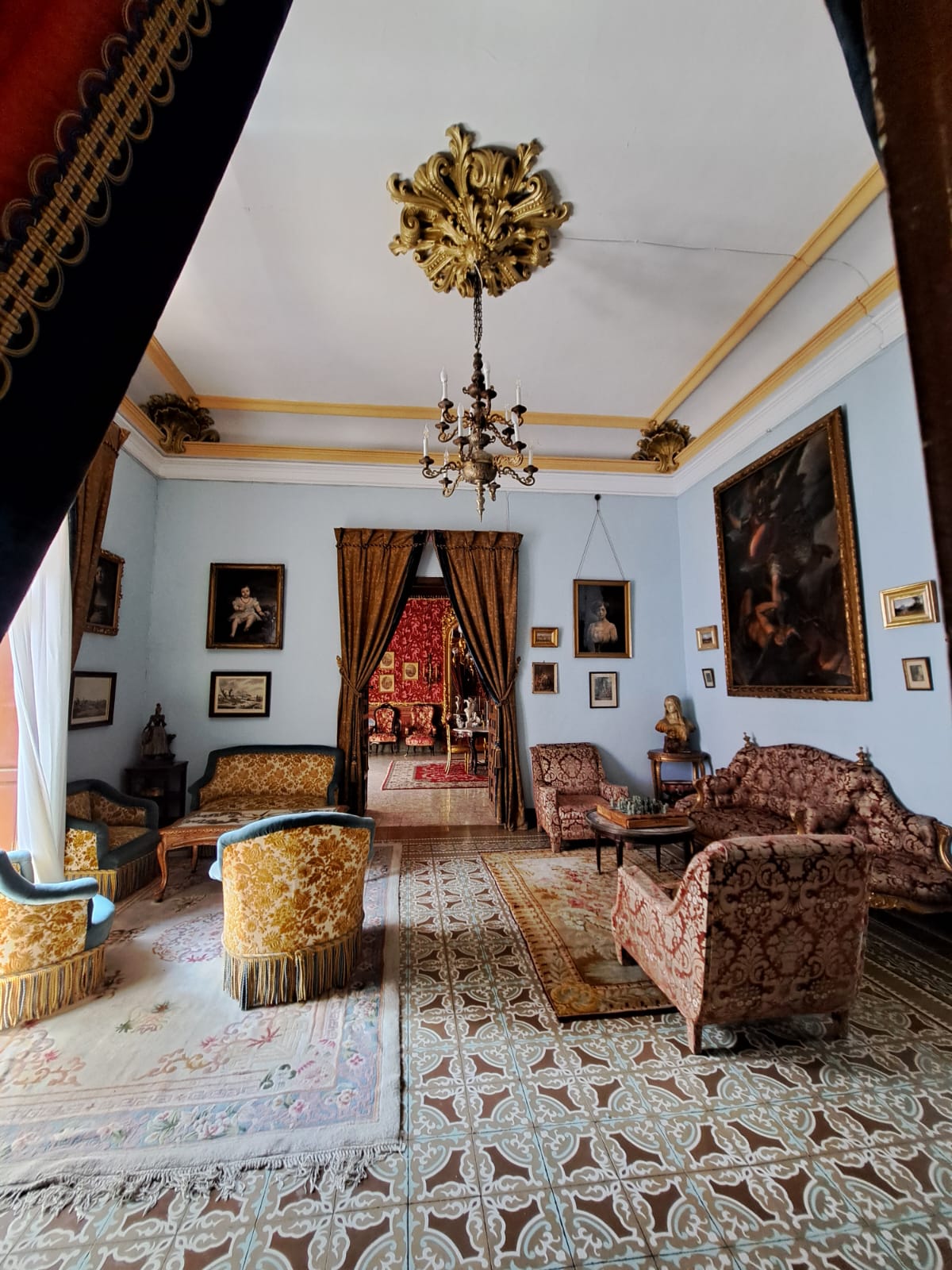
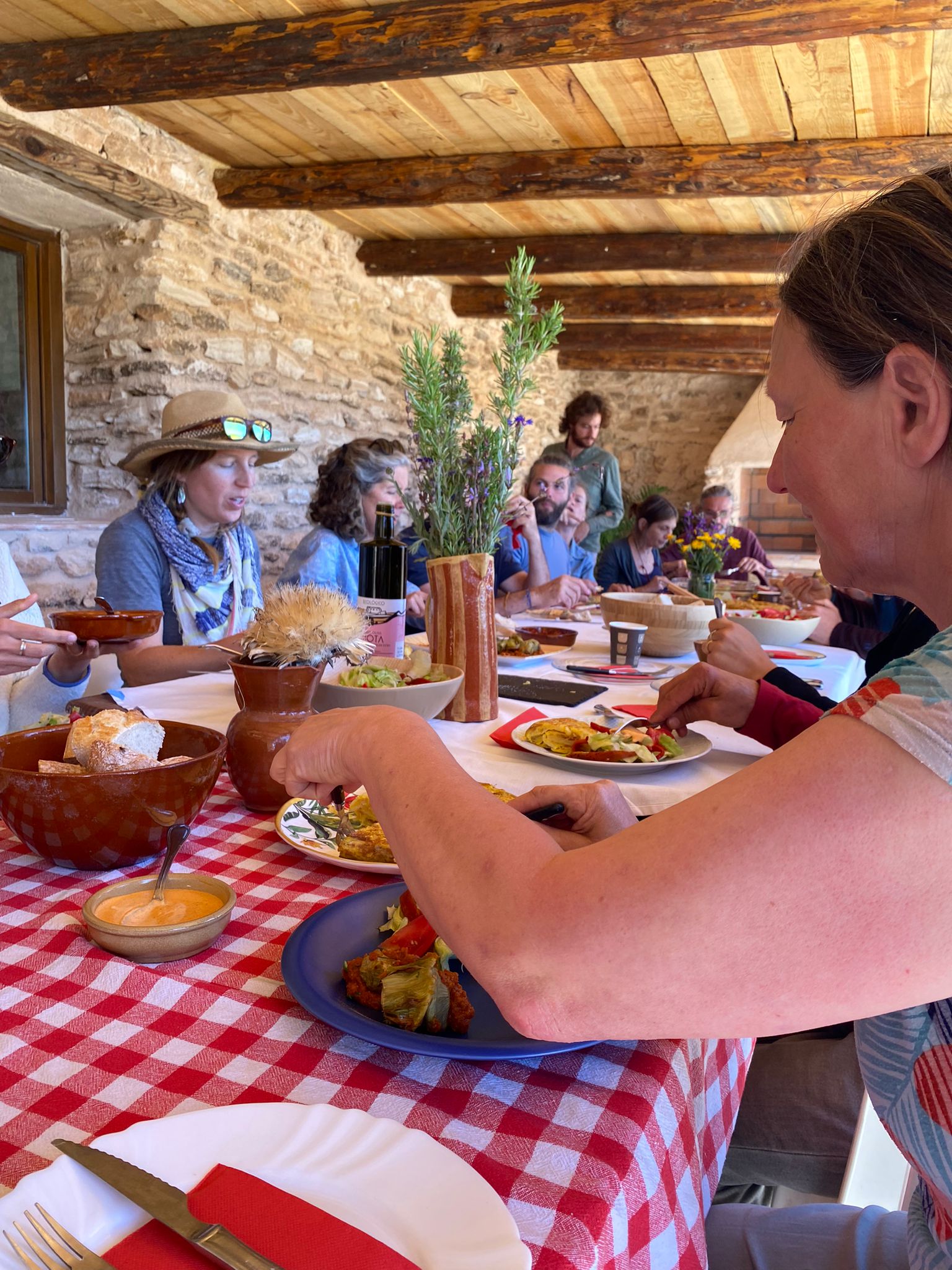
- Stay in traditional accommodation a 30-minute drive from the farm with 3 locally sourced, regenerative meals prepared daily.
- Receive a certificate of completion recognising their experiential learning and engagement.

Yanniek Schoonhoven
Course Organizer
yanniek@regeneration-academy.org
Location
Dates
18–23 May 2026
October: To be disclosed
For whom
This program is accessible for anyone: agro-food professionals, farmers, or simply food and earth lovers.
Group size
10–18 people
Language
English
Prices
€1500 per person
Shared room & bathroom
€1700 per person
Private room
€2800 for a couple
Private room & bathroom
TESTIMONIAL

Ernesto Coy Gómez de IESO Pedanías Altas
A practical way to bring a different view of rural life to the kids!

"Pedro de Maya Fernández" de IES ALQUIPIR
This activity allows kids to be more conscious about soil in the environment

FINN HARRIES
“I spent an amazing week at the Regenerative Academy in Murcia, Spain to complete a crash course in regenerative agriculture.
This is part of my research for my masters degree at Cambridge University. I loved learning the basics of soil health, water capture, food harvesting and composting. 🌱
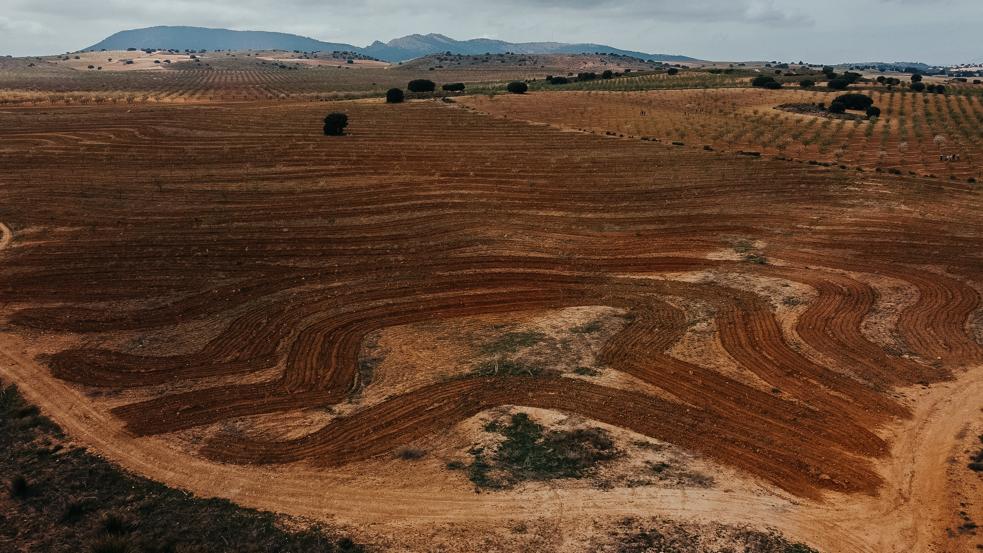
The course is run on a massive 1,100 hectare farm that used to practice traditional industrial agriculture but now is leading the way in regenerative practices in the fight against climate change and biodiversity loss.”
NATHALIE NAHAI
Where to start? I signed up for the Regeneration Academy’s one-week crash course, with the intention of gaining some practical knowledge and hands-on experience of what regenerative agriculture is, and how it can be used to restore ecosystems and food networks. In reality, it turned out to be so much more than this – it was one of the most transformative, memorable and joyful courses I’ve attended. The team was generous, open-hearted and welcoming, the food was a delight, and we came away feeling emboldened and optimistic as to the futures we can create when we work together towards a common goal. It was an extraordinary experience, and one which I can’t recommend highly enough.
RUBY & CHRISTABEL REED
The @regenerationacademy at @lajunquera are experimenting with, engaging in and researching regenerative agriculture in their 1700 hectare farm. They are brave and immensely inspiring, working at scale in one of the most impoverished parts of Spain where the land is being desertification by the climate and by conventional agriculture, as well as by the people and communities that used to inhabit it. This incredible community is proving that it is possible, even if not straightforward or simple, to transition to agricultural practices that revitalise both the planet and people. Last week we learnt about the power of context, complexity, culture and community 🌞🌻🥬”
Arno Foppe
My research project at La Junquera made me experience the reality of regenerative farming and gave me the opportunity to contribute to the next steps on the farm.
TESTIMONIAL

Arizona Muse (@arizona_muse)
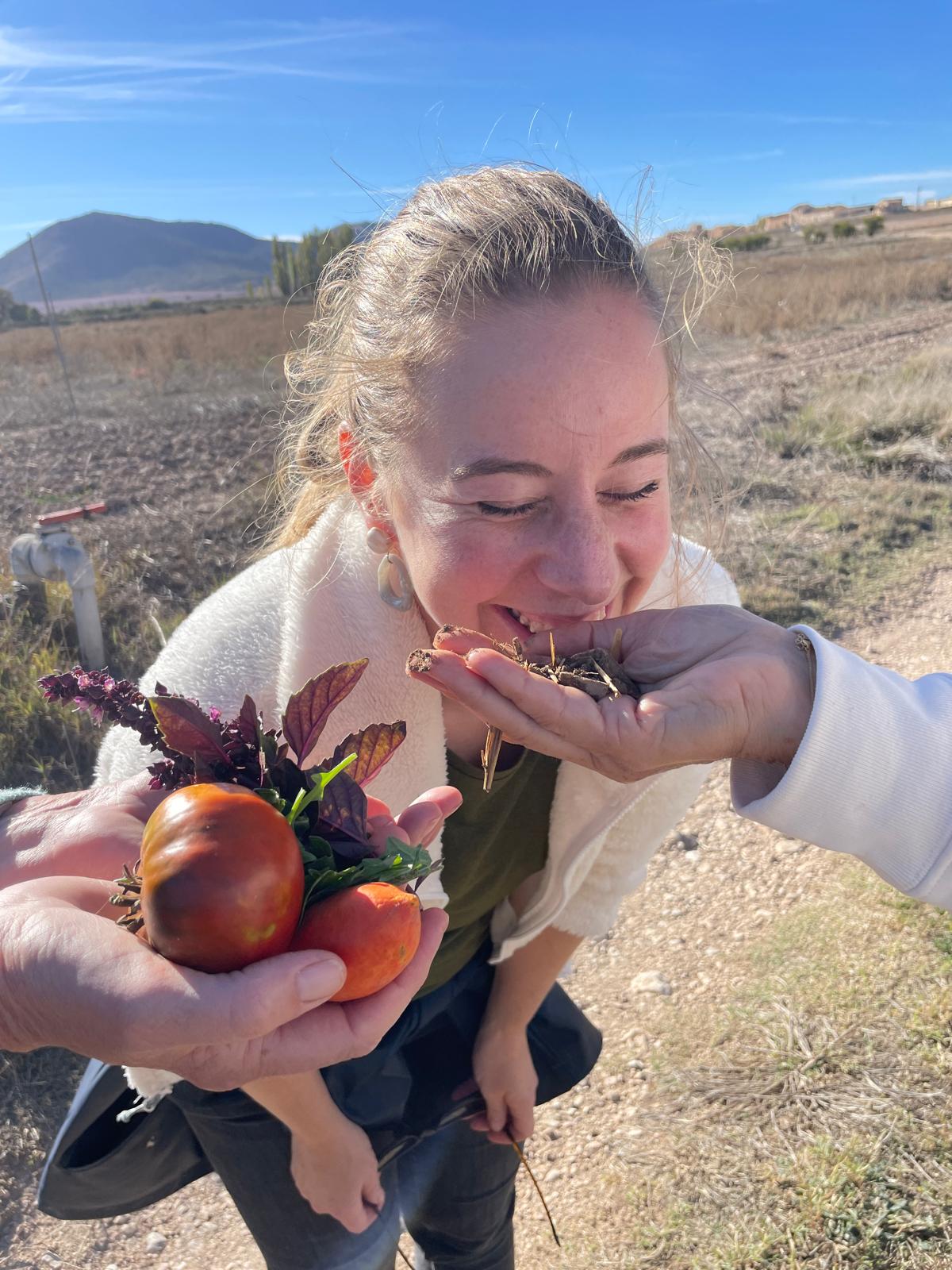
“There’s a whole world beneath our feet that must be understood and nurtured, because most of what we need in life comes from the soil, grown for us by farmers. When constantly faced with the looming effects of climate change it is the most refreshing feeling to meet people who are working towards the solution. And not only that, but also teaching others how they can help to heal the planet too. Here on @lajunquera farm at the @regenerationacademy, we spent a week learning about Regenerative Farming with our hands, ears, eyes and noses.”

Sofía and Pablo
In this course, we learned about the regenerative model, a model that proposes a paradigm shift in the current agricultural system and that involves the commitment and fight against the loss of biodiversity, climate change and desertification. Through small seminars, debates, and above all, visits to the field, one knows first-hand what day-to-day life is like in the field and how to make a living from the regenerative business. The course is taught by professionals in the field, who are the living example of the wealth that is generated there. Highly recommended for anyone who wants to make a living from agriculture, for environmental researchers, or simply for curious people who want to rediscover nature

FINN HARRIES
“I spent an amazing week at the Regenerative Academy in Murcia, Spain to complete a crash course in regenerative agriculture. This is part of my research for my masters degree at Cambridge University. I loved learning the basics of soil health, water capture, food harvesting and composting. 🌱 The course is run on a massive 1,100 hectare farm that used to practice traditional industrial agriculture but now is leading the way in regenerative practices in the fight against climate change and biodiversity loss.”
NATHALIE NAHAI
Where to start? I signed up for the Regeneration Academy's one-week crash course, with the intention of gaining some practical knowledge and hands-on experience of what regenerative agriculture is, and how it can be used to restore ecosystems and food networks. In reality, it turned out to be so much more than this - it was one of the most transformative, memorable and joyful courses I've attended. The team was generous, open-hearted and welcoming, the food was a delight, and we came away feeling emboldened and optimistic as to the futures we can create when we work together towards a common goal. It was an extraordinary experience, and one which I can't recommend highly enough.
RUBY & CHRISTABEL REED
The @regenerationacademy at @lajunquera are experimenting with, engaging in and researching regenerative agriculture in their 1700 hectare farm. They are brave and immensely inspiring, working at scale in one of the most impoverished parts of Spain where the land is being desertification by the climate and by conventional agriculture, as well as by the people and communities that used to inhabit it. This incredible community is proving that it is possible, even if not straightforward or simple, to transition to agricultural practices that revitalise both the planet and people. Last week we learnt about the power of context, complexity, culture and community 🌞🌻🥬”